


Know Your Rights: What To Do if You’re Injured in a Public Space

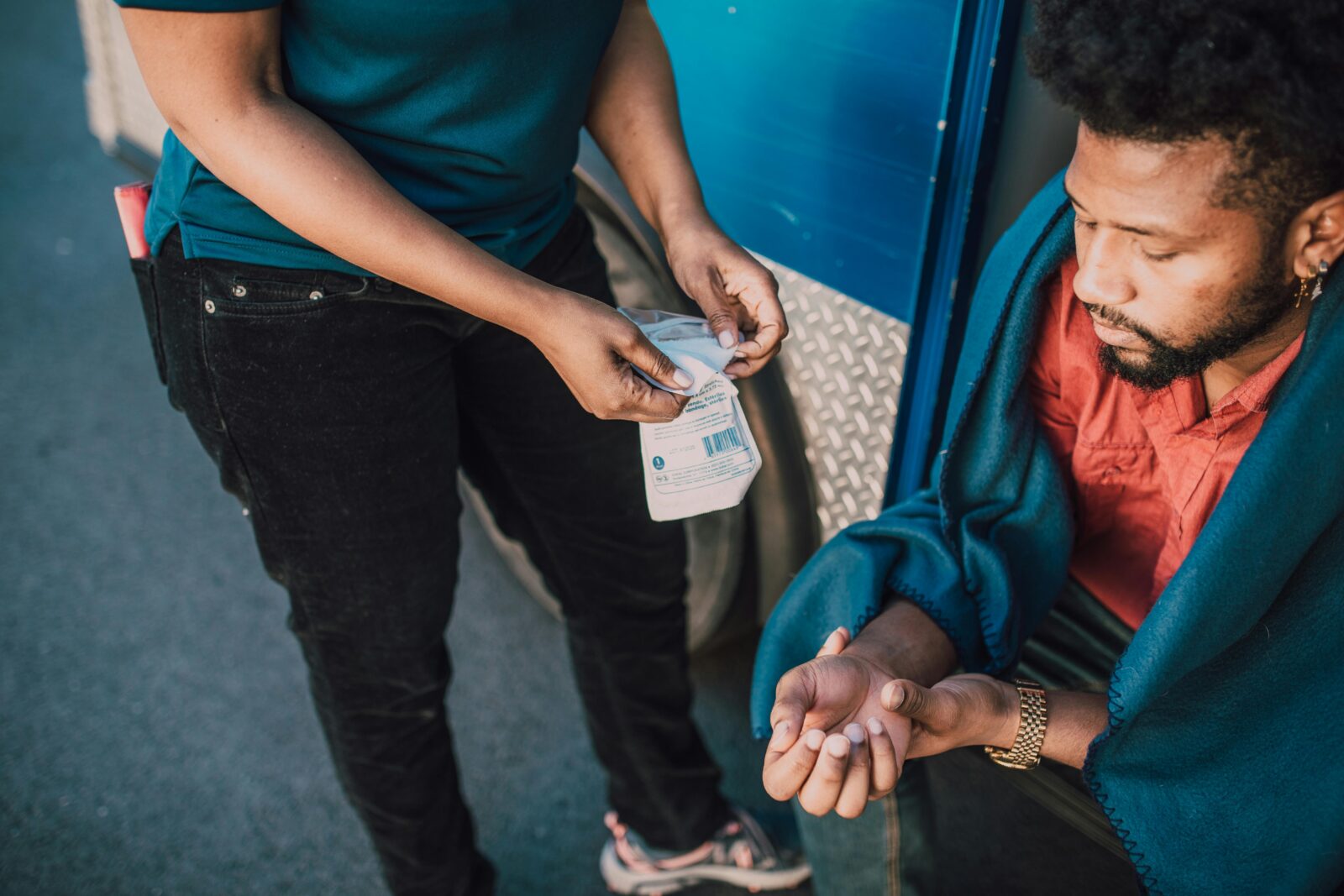

Crowded, slick sidewalks, poorly lit transit stations, grocery stores with carts everywhere (and wet, slippery floors to top it off) … You move through these places constantly, and you probably assume they’re reasonably safe. Unfortunately, the numbers suggest otherwise. At the risk of making this piece sound alarmist, it’s worth knowing that public-space injuries send millions of people to emergency rooms every year. Yep, millions.
That sheer volume alone should tell you one thing: if something happened to you, you’re not dealing with a rare, unusual scenario. In fact, it’s extremely common. And in many cases, perfectly preventable; many of injuries in public places happen because someone ignored a safety issue or skipped basic maintenance. In cases like these, you might have the right to pursue compensation.
It’s worth knowing how those rights actually work before anything bad happens so you don’t have to make sense of the complex legalities when you’re in actual pain. But if you’ve already been injured, that’s even more reason to know your rights.
Your First Priorities: Safety And Evidence
Your health comes first, so get medical attention as soon as you can. Some injuries don’t come with symptoms right away (brain injuries, for example, can take days or even weeks), so you definitely want to get yourself checked by a healthcare professional.
There’s another reason why you should do this even if you feel “okay”; it’s going to be important for building your case, in case you decide to pursue compensation. You want everything documented, so ask for copies of medical records and bills.
But before all this, while still at the scene, photograph the hazard (angle, distance, nearby signage) if you can. The photos and/or videos should show what you tripped on, slipped on, or collided with. And if someone saw the incident? Ask for their contact info. Most people are surprisingly willing to help if you ask in a straightforward way and they can help your case.
Report The Incident And Stay Precise
When you report what happened to a manager or property owner, here’s what you should do: stick to facts. Here’s what you shouldn’t do: use language that in any way admits fault on your part.
Also, read any incident report before signing it. If something feels off (e.g., the wording suggests you were “not paying attention”), ask for adjustments or simply refuse to sign. You’re not obligated to accept wording that misrepresents the situation.
If a business tries to hand you a quick settlement or a “just sign this and we’ll take care of it” form, you might find it tempting to do so, but it’s better to slow down. You can always revisit options once you have clarity, and you can’t really have that until you consult with an attorney.
How Liability Usually Works
Premises liability isn’t mysterious. The basic question is straightforward: did the property owner fail to address a hazard they knew about or should have known about, and did that failure cause your injury? If this is the case, you have a viable claim.
This is the core of premises-liability claims: common in slip-and-fall, trip-and-fall, and poorly secured property cases. Still, you’ll probably want to talk to a lawyer, preferably one with experience.
If you’re in Colorado or searching locally, consider talking with a Denver premises liability attorney to evaluate whether a claim fits your facts. DM Injury Law is a good example of a law firm that deals specifically with unsafe property conditions and slip-and-fall claims.
What Compensation May Include
Depending on the severity of the injury, compensation can cover:
- Medical bills,
- Lost income,
- Future care costs,
- Mobility aids,
- And pain and suffering.
Again, it depends on the severity of the injury. Falls, for example, remain one of the leading causes of injury for adults over 60, and the effects of the accident (rehab, reduced mobility, home assistance, etc.) get expensive quickly, so it makes perfect sense to pursue compensation.
A Quick Note for Our Queer Readers
If you identify as queer or trans and worry about biased, unfair treatment or being mischaracterized during reporting, bring an ally where possible.
Also, insist on clear documentation and record interactions when legally allowed. Documentation protects you twice here: for the injury itself, and against potential bias in the process.

